
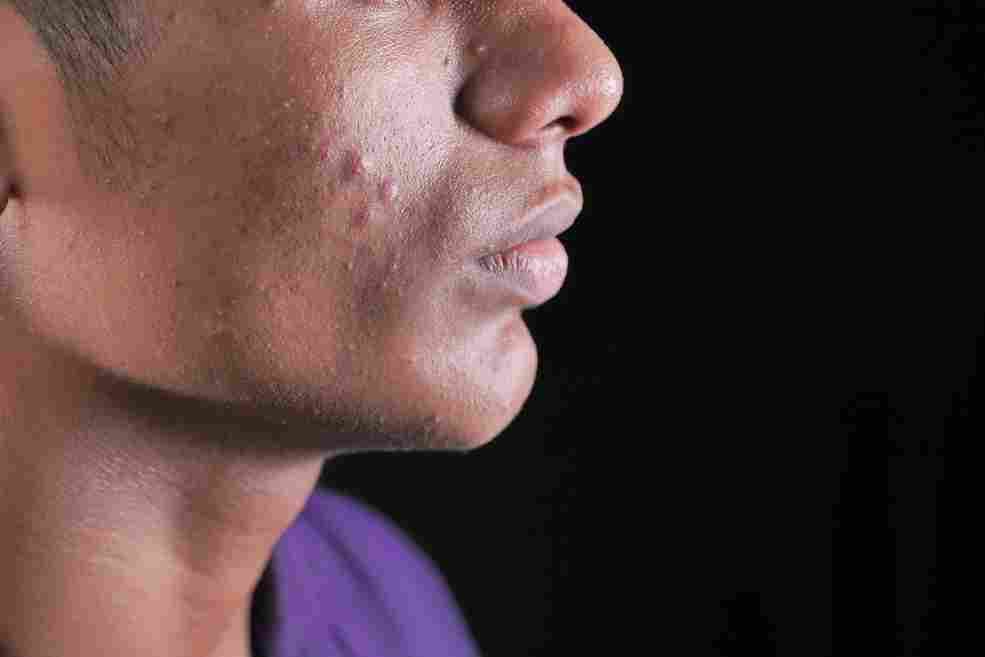
Exploring the Link Between Sexual Health and Skin Breakouts
Let’s face it, acne and pimples are already annoying enough without dealing with all the myths that come with them. One of the most common (and persistent) questions out there is: Does masturbation cause pimples? You're not alone if you've ever had a breakout and wondered if it’s somehow connected to your solo sessions. It’s a topic that’s been whispered about in locker rooms, passed around in group chats, and searched online more times than we can count.So, does masturbation cause acne? Or is this just another one of those age-old myths that refuses to die? Spoiler: science has quite a bit to say about it.
Many people assume that masturbation messes with your hormones, especially testosterone, and that might somehow trigger your skin to act up. But what does the research actually say? In this article, we’ll break down the science (with real sources!) to figure out whether there’s any truth behind the claim that masturbation causes acne or that masturbation causes pimples. Whether you're just curious or trying to bust a myth once and for all, let’s dive into the facts and finally answer: Does masturbation cause acne? Or more importantly, does masturbation cause pimples?
Does masturbation cause acne?
Let’s get straight to the point. Masturbation does not cause acne. While this myth has circulated for decades, there is no scientific research supporting any link between masturbation and breakouts. Medical professionals and dermatologists agree that acne is primarily caused by factors such as hormonal changes, excess oil production, clogged pores, and bacteria, not sexual activity or self-pleasure. So, where does this misconception come from? It likely stems from the fact that both acne and masturbation involve hormones, particularly testosterone. While testosterone can influence sebum (oil) production in the skin, the hormonal shifts from masturbation are brief and not strong enough to create lasting changes in skin condition. As noted by Medical News Today, this idea is largely based on outdated assumptions rather than scientific evidence. If you’re worried about the “masturbation effect on face,” take a deep breath. That theory doesn’t hold up under scientific scrutiny. Your hormone levels aren’t doing dramatic flips just because you spent some alone time.
Now let’s clear up one of the most oddly persistent internet myths: Does sperm buildup cause pimples? It sounds like a question from a sketchy forum, but it pops up surprisingly often. The idea behind it is that semen builds up inside the body and somehow “leaks out” through the skin in the form of acne. Scientifically? That makes zero sense. Your body is built to reabsorb unused sperm naturally. It doesn’t convert into forehead breakouts or back acne. So again, can sperm buildup lead to pimples? No. Just, no. Still not convinced? Okay, let’s look at it another way. Does masturbation cause acne if you already have oily skin? Again, no. While oily skin is more prone to pimples, masturbation doesn’t increase sebum production in any consistent or impactful way. So saying masturbation causes pimples is like blaming your phone for a sunburn, it’s just not connected. Sure, your skin might be breaking out, but the real culprits are likely clogged pores, bacteria, hormonal imbalances, or poor skincare. Not what you did last night. So, when someone next asks Does masturbation cause pimples?, you can confidently bust that myth wide open. Alright, let’s get into the science-y stuff, but don’t worry, we’re keeping it real and easy to follow. One of the most common curiosities people have (right after “Does this cause acne?”) is how masturbation affects hormone levels and by extension, the skin. So, let’s talk about it. When you masturbate, your body goes through some pretty normal biological responses. There’s a temporary spike in dopamine (the feel-good hormone) and oxytocin (the bonding hormone), followed by a short-term dip in testosterone. But here's the kicker: these hormonal shifts are temporary and return to baseline pretty quickly. According to Medical News Today, there's no consistent evidence that masturbation disrupts long-term hormone balance or causes skin flare-ups. If you’re still worried about the masturbation effect on your face, take a deep breath. That theory doesn't hold up in the scientific world. Your hormone levels aren’t doing backflips because of what’s happening under the covers. Now, let’s revisit one of the internet’s more imaginative myths, specifically, the question: Can sperm accumulation cause acne? It sounds like something straight out of a late-night forum rabbit hole, right? But people do ask this sincerely, so let’s clear the air. The idea that semen buildup inside the body somehow leads to acne is flat-out wrong. Your body naturally reabsorbs unused sperm it doesn’t turn it into forehead volcanoes. So again, can sperm accumulation cause breakouts? No. Just, no. And just because we’re thorough here: masturbation effect on face is not some magical or disastrous skin event. It’s not going to make you glow like a K-drama star or break out like you’re 13 again. Skin health is influenced by a lot of things hydration, sleep, stress, diet, and skincare routine, but solo time? That doesn’t make the top 10 list. Also, for the record: Does sperm building up in the body cause pimples? We’ve said it before, but one more time for myth-busting satisfaction, it doesn’t. That myth is as flaky as a bad exfoliant. So, when you hear someone casually mention the masturbation effect on your face, just know the truth: any link between masturbation and your skin is, at best, anecdotal and, at worst, a straight-up myth. Your hormones aren’t losing their minds over it, and neither should you.
Understanding the Causes of Acne
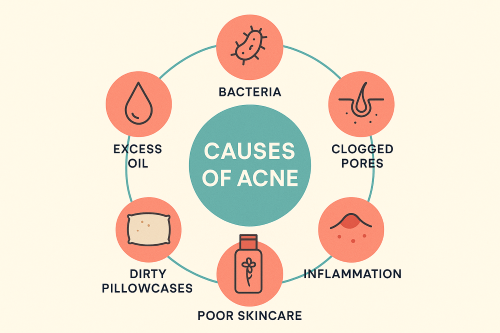
Before we go blaming anything (or anyone) for those annoying breakouts, let’s take a minute to understand what actually causes acne. Spoiler alert: it's not always what you think and no, the answer isn’t automatically “masturbation causes acne.” Let’s break it down.
Acne is primarily triggered by four main culprits: excess oil (sebum), clogged hair follicles, bacteria, and inflammation. Hormonal changes especially during puberty, menstruation, or even high-stress situations can cause your oil glands to go into overdrive. That oil then mixes with dead skin cells and bacteria, clogging pores and turning into whiteheads, blackheads, or the dreaded angry red pimples.
Now, here's where things get interesting. Because hormones are involved in both acne and sexual activity, people have connected the dots incorrectly. The belief that masturbation causes acne has been around for ages, but modern science doesn't support it. According to Medical News Today, there’s no credible evidence that masturbation alters your hormone levels in a way that directly causes acne.
Still, people ask: Does masturbation lead to pimples? It’s a fair question, considering how common both are during adolescence. But just because they happen around the same time doesn’t mean one causes the other. It’s kind of like saying eating ice cream causes sunburns, correlation, not causation.
If we dig deeper, the real triggers are more skin-focused than lifestyle-focused. Dirty pillowcases, touching your face constantly, using pore-clogging skincare products, or eating a lot of high-glycemic foods can have a much bigger impact than your solo habits. So when someone insists that masturbation causes acne, remember: the science doesn’t agree.
And one more time, because we know the internet loves to recycle myths: Does masturbation lead to pimples? Not based on any reliable research. The factors driving breakouts are more about skin environment and genetic predisposition than how often you spend time alone.
So, in short: masturbation causes acne? Nope. Does masturbation lead to pimples? Still no. Acne has its reasons, and masturbation isn’t one of them.
How to Prevent Acne
Acne might feel like your skin’s personal vendetta, but the good news? You can fight back. Prevention isn’t about finding a magical cure it’s about smart, consistent habits. Here’s how to keep those breakouts in check:- Wash your face but don’t overdo it: Yes, cleansing is essential, but scrubbing your face raw won’t scare acne away. Stick to washing twice a day (morning and night) with a gentle cleanser. Over-washing can strip your skin and cause more oil production. Yep, it backfires.
- Use non-comedogenic products: That’s just a fancy way of saying: use stuff that won’t clog your pores. From moisturisers to sunscreens to makeup check the labels. Your skin will thank you later.
- Don’t pop your pimples (seriously): We know, it’s tempting. But popping can lead to more inflammation, scarring, and even deeper acne. Let the professionals handle extractions if needed.
- Keep your hands off your face: Your hands touch everything phones, doorknobs, keyboards. Then they land on your face and transfer all that bacteria. Try to break the habit of constantly touching your skin.
- Wash your pillowcases and towels regularly: They’re sneaky breeding grounds for bacteria and oil. Wash pillowcases at least once a week, and use clean towels on your face every time.
- Maintain a balanced diet: We’re not saying you can never have pizza again, but high-glycemic foods (like sugary snacks and refined carbs) can trigger breakouts in some people. Drink plenty of water and include skin-friendly foods like leafy greens, berries, and omega-3s.
- Don’t stress (easier said than done, we know): Stress messes with your hormones, which can worsen acne. Try stress-relieving habits like walking, meditation, journaling, or even just breathing deeply between chaos.
- Get enough sleep: Your skin does a lot of healing while you sleep. Aim for 7–9 hours a night. Netflix will still be there tomorrow.
- Be consistent with your skincare routine: The key isn’t having a 10-step routine. It’s having one that works and sticking to it. Give products a few weeks before expecting dramatic results.
- Consult a dermatologist when needed: If your acne is persistent, painful, or affecting your confidence, don’t DIY forever. A dermatologist can help with customised treatments, whether it’s topical, oral, or procedural.
Acne isn’t one-size-fits-all, and neither is its treatment. If you’ve tried everything from natural remedies to over-the-counter creams and still find yourself asking “Why won’t my skin clear up?”, it might be time to explore the different treatment options available. These range from simple skincare tweaks to professional interventions depending on the type and severity of acne.
1. Over-the-Counter (OTC) Options
These are typically the first line of defense for mild to moderate acne. You can find them at your local pharmacy or online.
Benzoyl Peroxide: Fights acne-causing bacteria and helps unclog pores. Start with lower concentrations (2.5% to 5%) to reduce irritation.
Salicylic Acid: Helps exfoliate the skin and keep pores clear. Great for blackheads and whiteheads.
Alpha Hydroxy Acids (AHAs): These gently remove dead skin cells and promote smoother skin. Look for glycolic or lactic acid.
Sulfur-Based Products: Not as common, but they help dry out surface acne and reduce oil.
These ingredients are most effective when used consistently over several weeks. Always patch-test and start slow, especially if you have sensitive skin.
2. Prescription Treatments
If your acne is more persistent or inflamed, you might need something stronger. A dermatologist can help with prescription-strength options.
Topical Retinoids: These are vitamin A derivatives that help prevent clogged pores and promote skin renewal. They’re often used for both acne and anti-aging.
Topical Antibiotics: Reduce surface bacteria and inflammation. Usually combined with other actives like benzoyl peroxide to prevent antibiotic resistance.
Oral Antibiotics: For moderate to severe acne, especially cystic acne. These are usually prescribed short-term and combined with topicals.
Hormonal Treatments: Birth control pills and anti-androgens like spironolactone are often effective for hormonal acne in women.
3. Advanced Treatments
For severe acne or scarring, your dermatologist might suggest more intensive options.
Isotretinoin (Accutane): A powerful oral retinoid for cystic or treatment-resistant acne. It’s highly effective but comes with potential side effects, so it requires close medical supervision.
Chemical Peels: Help exfoliate the top layer of skin and reduce acne and scarring.
Laser and Light Therapy: These treatments target bacteria and reduce inflammation. While not a cure, they can be helpful for chronic breakouts.
Steroid Injections: Used for large, painful cysts to reduce inflammation quickly.
4. Lifestyle Adjustments That Support Treatment
Even the best skincare products won’t work well if underlying habits are sabotaging your skin. Pair your treatment with a supportive routine:
Stay consistent with your skincare.
Manage stress through meditation, exercise, or journaling.
Keep your hands and surfaces that touch your face clean.
Be patient. Skin healing takes time.
Final Takeaway: Acne Is Complex, but Masturbation Isn’t the Cause
To wrap it up: no, masturbation does not cause acne. Despite what some internet threads or old-school beliefs say, the science is clear. Breakouts are tied to oil production, clogged pores, bacteria, and hormones not your private habits.
That said, acne is a valid concern, and it's okay to want clear, healthy skin. Just make sure your energy is going toward effective skincare, not stressing about myths. Whether you're using over-the-counter products or working with a dermatologist, consistent care and knowledge are your best tools.
So the next time you hear someone ask, “Does masturbation cause pimples?” you’ve got the answer. And it's backed by facts, not fiction.
Frequently Asked Questions
Can overexercising cause acne?
Yes, overexercising can contribute to acne due to increased sweat, stress hormones, and clogged pores if hygiene is neglected.
Does ice help acne?
Yes, ice can reduce inflammation and redness in active acne, providing temporary relief.
What is the best exercise for acne?
Low to moderate-intensity workouts like yoga, walking, or swimming help reduce stress and support hormonal balance, which may improve acne.
Is sweating good for acne?
Yes, sweating helps flush out toxins, but if not washed off promptly, it can clog pores and worsen acne.
References
Tags
About the Author